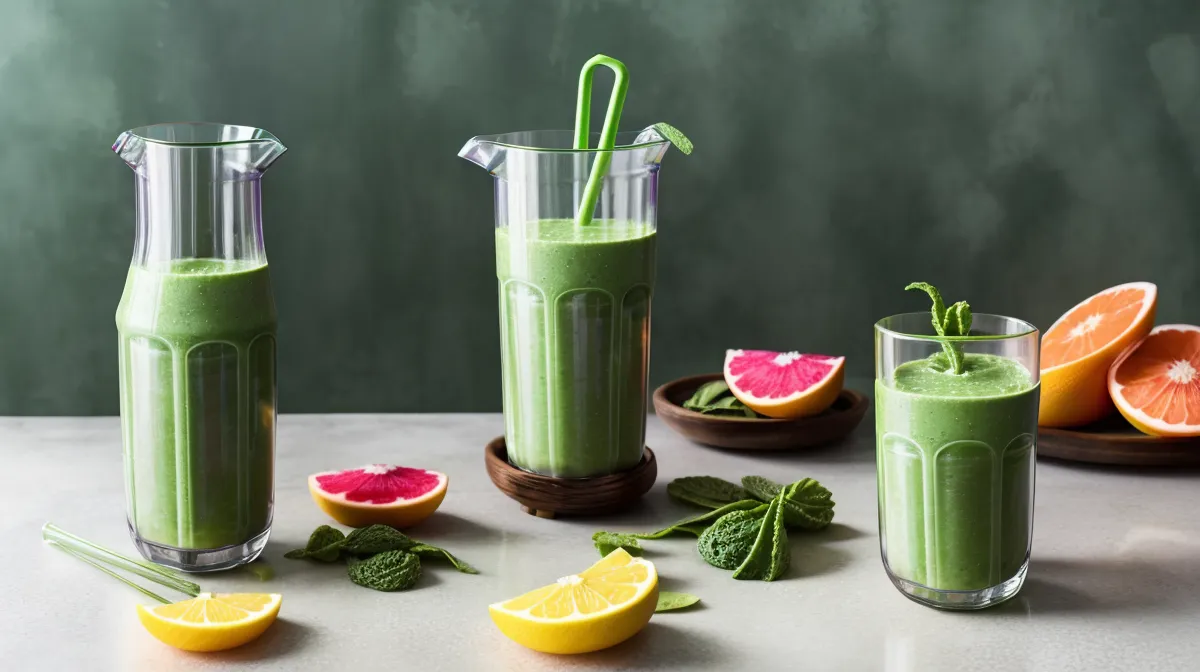
Fourteen bottles are lined up on my windowsill right now, oldest testing date on the left, and eleven of them share the same weasel phrase on the ingredient panel: proprietary blend. That ratio is basically why a weight loss supplement review on this site keeps turning into a comparison piece instead of a hype piece, and it's why I finally put the 21-Day Smoothie Diet head-to-head against a clean-label capsule instead of reviewing either one alone. One approach hands you the whole ingredient. The other hands you a number and asks you to trust it.
Quick disclosure before any of that comparison starts: some of the links below are affiliate links, and if you buy through one I get a small commission at no extra cost to you. I only link to products that are actually sitting in that windowsill row, tested with my own money, not free samples somebody mailed me hoping for a nice write-up. None of this is medical advice — I'm not a doctor, just someone with a kitchen scale and a grudge against fake ingredient math, so check with an actual professional before changing how you eat.
My friend Derek Pham won't even open a group chat about supplements until someone's run the cost-per-serving math, and he cornered me about this exact comparison under the Burnside Bridge at the Portland Saturday Market, holding a jar of hot honey he had zero intention of ever reading the label on. I'll spare you the full financial breakdown here since I've already done that math elsewhere in painful detail — this piece is about which approach actually holds up, not which one is cheaper per scoop.
Two Ways Out of Supplement Fatigue
Before I gave the 21-Day Smoothie Diet a real shot, my fallback during a rough stretch was a pricey monthly subscription box of appetite suppressants built entirely around a proprietary blend. The label listed something called Thermo Complex and nothing else — no milligrams, no ratios, just a name someone in marketing invented on a Tuesday. It did nothing I could point to, and I kept paying for it anyway because canceling felt like admitting I'd wasted the first three shipments.
That subscription box is exactly the kind of product I flagged in my rundown of the best clean label weight loss supplements after months of travel, and it's the reason I sat down to weigh a full liquid reset against another month of capsules instead of assuming fancier packaging meant a better product.
A Clean-Label Case for the Smoothie Diet
Here's the transparency argument for the whole-food side, plainly. The Smoothie Diet guide reads like a grocery list, not a chemistry set, because you're the one buying, washing, and blending everything that goes into the pitcher. There's no dosage to take on faith, since there isn't a dosage at all, just produce doing what produce does.
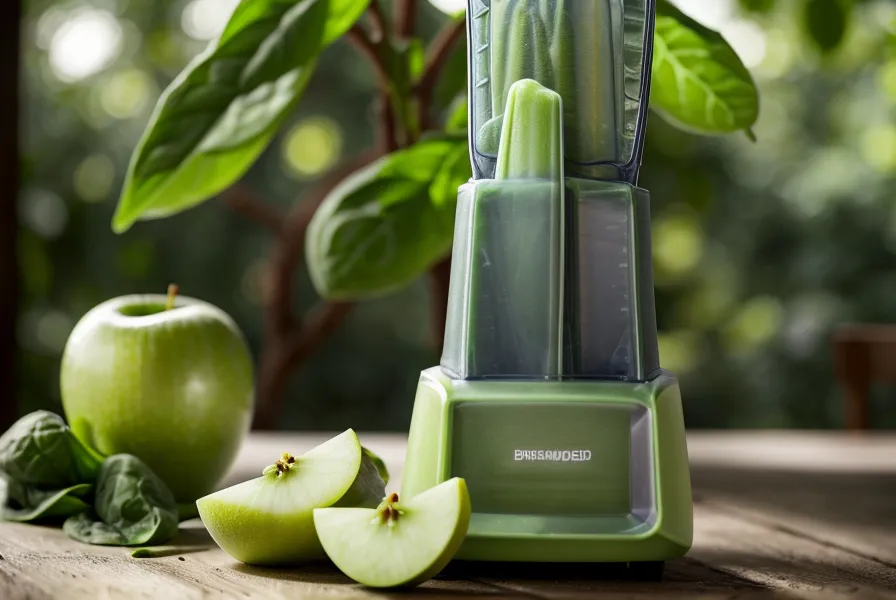
I keep a small kitchen scale on my desk in my apartment in the Pearl District for exactly this reason, weighing out a single serving of whatever powder just showed up so I can check a label's math against reality instead of taking the company's word for it. My desk sits under a window that goes from useful to glaring by mid-afternoon, and the bottles pile up along the sill in the order I tested them, oldest ones collecting the most dust. Label reading is basically a full-time hobby at this point, and my apartment's decor has not benefited from it one bit.
Does a Capsule Still Earn a Spot in the Reset?
Going fully liquid for three weeks straight is a big ask, so I didn't attempt it without backup. I added a bottle of CitrusBurn to the mix as insurance, since it's one of the few capsule products where the label just lists what's actually inside instead of hiding behind a matrix name. There's a particular chalky film that coats your fingertips when you twist open a jar of loose supplement powder, nothing like the mess a ripe mango leaves behind, and it always seems to happen right before I have to shake someone's hand. When the energy dip hit partway through the reset, that's when I reached for CitrusBurn again instead of a third cup of coffee, mostly because I already trusted what was written on the bottle.
Weighing Prep Time Against Convenience
The real trade-off nobody selling either side wants to admit is time, not willpower. Chopping, blending, and scrubbing a pitcher three times a day is closer to grinding your own coffee beans every morning than to dropping a pod into a machine — slower, messier, and impossible to do half-asleep. The Smoothie Diet costs you that time up front, every single day, and a capsule wins on convenience every time. It just doesn't always win on what's actually inside it.
There's also a glycemic index angle to eating whole fruit instead of a stripped-down extract, and a thermogenesis angle too, though I'll leave the actual mechanisms to people with an actual biology degree. What I noticed personally is that my energy held steadier on the blended weeks than it ever did on capsule-only months, and that's an observation, not a medical claim.
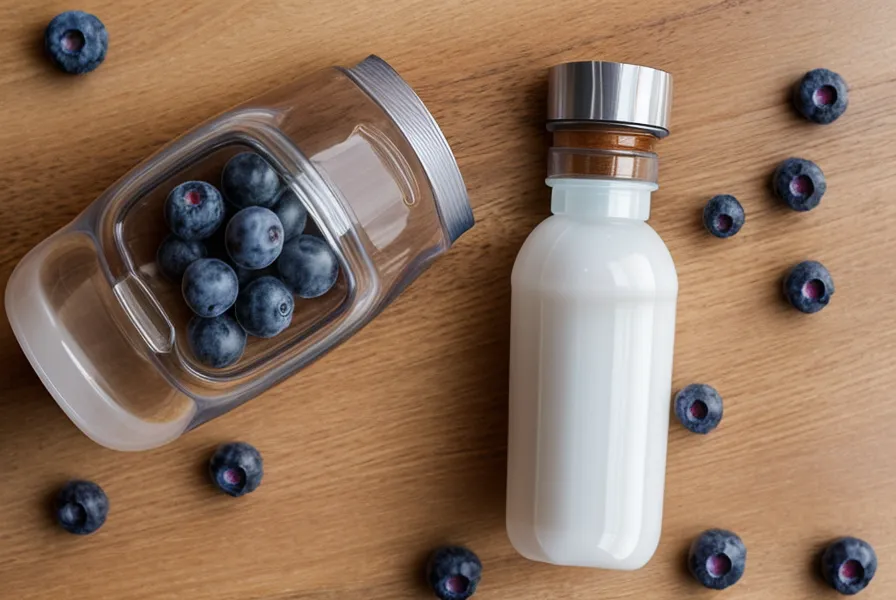
If you want the real day-by-day protocol instead of just my opinion on it, that's laid out properly in my Smoothie Diet buying guide. Here, I only care about how the whole approach stacks up against the capsule side of the shelf.
How the Alternatives Stack Up
LeanBiome plays a completely different game, leaning on the gut-microbiome side of weight loss instead of a smoothie's fiber-and-whole-food approach, and I get into the label details of that one separately in my LeanBiome buying guide. It's not really a fair head-to-head against a liquid reset, since it's solving a different problem entirely, but it's worth knowing the option exists if pills genuinely fit your life better than a blender does.
Cardio Slim Tea takes yet another route, built around the kind of herbal tea I first ran into traveling around Southeast Asia — that's its own rabbit hole I'm not reopening here, but it's a gentler middle ground if a full smoothie swap feels like too much too fast.
So Which Side Actually Wins?
A reader named Edgar Vasquez emailed me after a routine checkup flagged some numbers he didn't like, and he told me flat out that he reads every review on this site twice before ordering anything, then asked which side of this comparison I'd actually spend my own money on again. My answer hasn't changed: whole food wins on transparency, capsules win on convenience, and neither one fixes a bad diet by itself. For me personally, the clearest sign the whole-food side was working was waking up at six in the morning with no alarm, stomach genuinely growling instead of just assuming it was time for breakfast — something none of the capsule-only stretches ever gave me.
The Smoothie Diet earns its spot specifically because it forces actual fiber and whole nutrients through the front door instead of a concentrated extract you're trusting blindly, and that's the entire case for it in one sentence. If you're still deciding whether the format fits your schedule, I laid out more of that in the best 21-day smoothie diet plans for natural weight loss in Portland.
So here's the trade-off without hedging. Choose the smoothie route when you've got a working kitchen, twenty spare minutes a day, and you're done decoding proprietary blend labels — it wins on transparency every single time I've tested it. Choose a clean-label capsule like CitrusBurn instead when your schedule genuinely can't fit blending three times a day and you need something you can swallow between meetings without giving up on ingredient honesty completely. What you should never go back to is a box that hides its dosages behind a made-up blend name, no matter how convenient the shipping schedule looks. If the liquid route sounds like the better fit, the 21-Day Smoothie Diet is where I'd start, and probably where I'll land again the next time my kitchen counter turns back into a pharmacy shelf.
All opinions and observations on this site are my own and are shared purely for informational purposes. They do not constitute professional medical, financial, or legal advice. Please consult the relevant professional before acting on any information presented here.