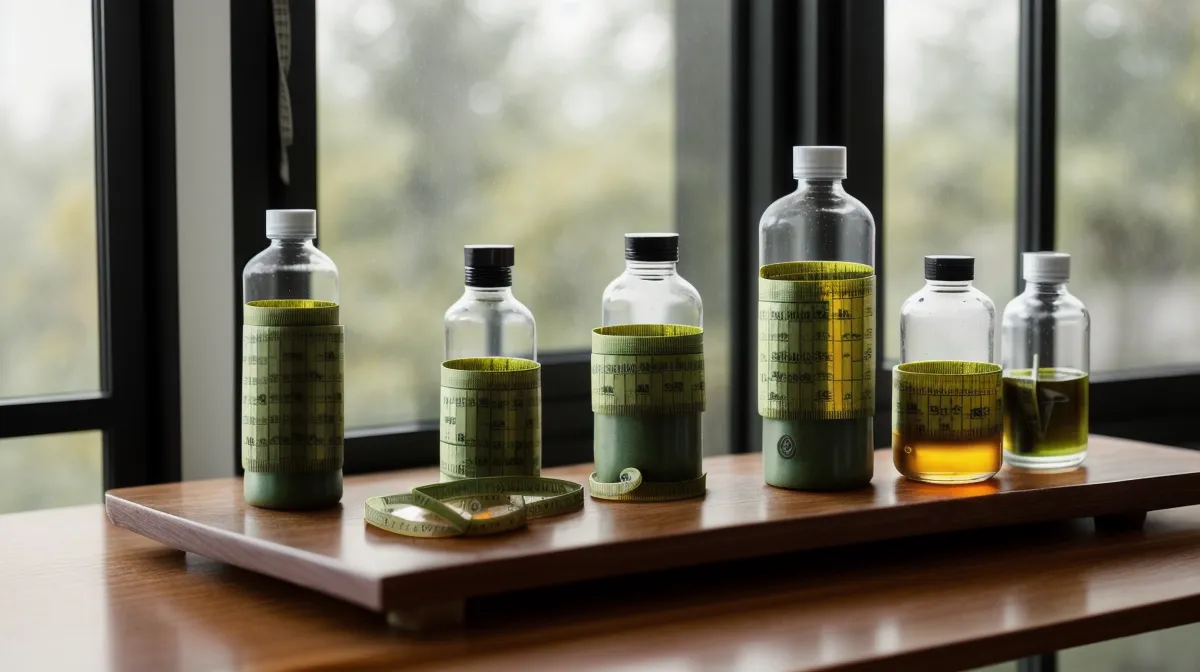
Eighty-five percent. That's the top end of the oxidation scale for oolong tea, and it's a bigger number than most people expect from something they lump in with green tea. Southeast Asian tea traditions push toward that high end on purpose, and the reasoning behind it has almost nothing in common with the vague promises stamped on most weight loss supplements sold in the same aisle. I've spent around six years running new teas, pills, and powders through the same basic test — can the company tell me exactly what's in here, and how much — and oolong is one of the few things that's never failed that transparency test.
Quick disclosure before we go any further: a few of the links below are affiliate links, and if you buy through one, I earn a small commission at no extra cost to you. I only link to things I've actually brewed, swallowed, or otherwise put through the wringer myself — I'm not a doctor, not a chemist, just somebody who got sick of being lied to by ingredient panels. Talk to an actual doctor before adding anything new to your routine, especially if you're already taking medication.
The Oolong Oxidation Range Nobody Puts on the Box
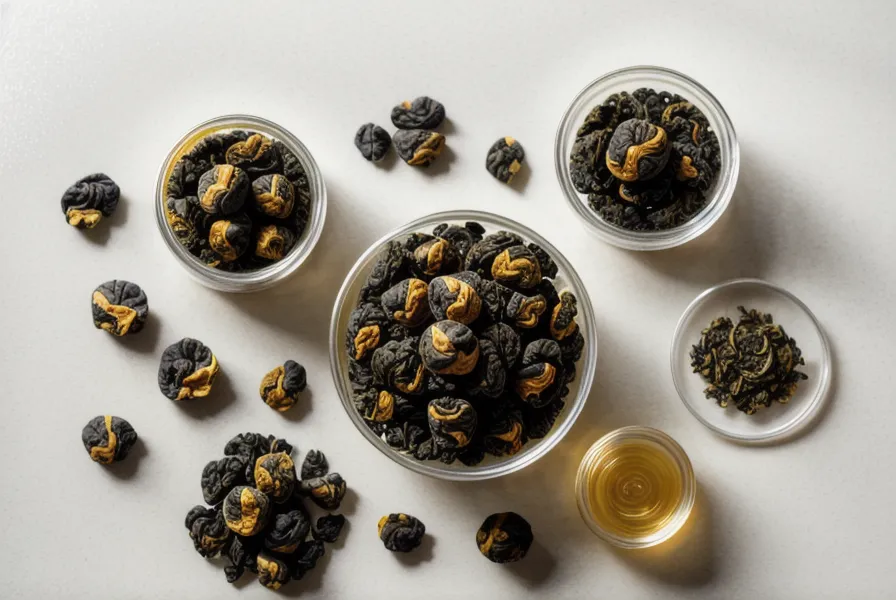
Oolong isn't one tea, it's an entire spectrum. The oolong category runs from barely-touched leaves all the way to that eighty-five percent mark, and the oxidation level changes almost everything about the cup — color, smell, how it sits in your stomach afterward. Southeast Asian preparations tend to sit on the darker, higher-oxidation end, closer in character to a light black tea than the pale stuff sold next to the green tea bags at most grocery stores.
That single-ingredient approach is also why citrus shows up in traditional blends — the peel's bioflavonoids add flavor and tradition, not some hidden stimulant kick, which is a separate conversation from what's happening with the leaf itself. There's a whole piece elsewhere on this site about the travel lessons behind these Southeast Asian remedies, so I won't retell that whole story here — just know the underlying logic is one tea makers have followed for centuries: one visible ingredient, a specific process, instead of a mystery stack of six things crammed into a capsule.
Fasted Tea Backfires on an Empty Stomach
Here's the part most 'fit tea' marketing conveniently leaves out: drinking a heavy, high-oxidation oolong on an empty stomach is a rough way to start a morning. The caffeine and tannins hit harder with nothing to buffer them, and a lot of people feel that as a jittery, slightly nauseous crash well before lunch. I tried the fasted-tea approach for a stretch, and the mornings it actually worked were rare — most days it just meant I was starving two hours later.
A friend of mine who takes improv comedy classes over at Brody Theater once pointed out, half-joking, that going into a scene jittery and underfed is a great way to blank mid-sentence, and that a shaky, caffeinated stomach does roughly the same thing to focus that stage fright does to improv. They weren't wrong, and it's about the closest thing to a scientific explanation I've gotten for why I kept zoning out by mid-morning.
Two months of apple cider vinegar shots every morning taught me nothing about fixing that crash; mostly it taught me that discomfort doesn't automatically equal progress, which tells you plenty about my decision-making that year. If anything, drinking something that sharp on an already-empty stomach made the jitters worse, not better.
Real hunger showed up on an ordinary morning, not a dramatic one. I woke up before my alarm actually wanting breakfast, plain and simple, instead of that hollowed-out, acidic feeling a fasted cup of dark oolong tends to leave behind. Feeling less bloated once I stopped drinking tea on an empty stomach was real and noticeable, but it's worth being honest that bloating relief and actual fat loss are two different things, even though a lot of marketing blurs them into one.
What's Actually Hiding Behind a 'Proprietary Blend'?
If a weight loss supplement won't tell you exactly how many milligrams of oolong extract, citrus peel, or anything else is actually in the capsule, that's not an accident. I've gone deep on that exact scam in The Proprietary Blend Trap, so I'll keep it short here: a 'blend' on a label is usually a way to hide that the expensive, effective ingredient is barely present, padded out with filler that sounds impressive in a press release. Southeast Asian tea sellers don't operate that way — they'll tell you the varietal and the oxidation percentage without being asked. That's the standard I now hold every weight loss supplement to, and it's how I ended up testing CitrusBurn, since it actually lists what's inside instead of hiding behind a logo and a vague promise.
Reading Labels for Transparency Instead of Marketing
Caffeine is the other number labels love to bury. A lot of 'fat-burning' tea blends won't print a milligram count anywhere, just a proprietary stimulant complex, which tells you nothing about how your heart rate is actually going to react. Concentrated oolong extract capsules make this worse. They're a different animal from brewed leaf tea, much easier to overdo without noticing, and that's a safety conversation that deserves its own careful treatment rather than a rushed mention here.
Water Temperature Decides Whether You Taste Anything
Southeast Asian oolong is almost always brewed hotter than people expect, somewhere in the 185°F to 205°F range, not the lukewarm water a lot of Western tea guides recommend for 'delicate' teas. Go too hot and you scorch the leaf into bitterness; go too cool and the cup tastes like flavored water, nothing like the deep, almost roasted character a high-oxidation leaf is supposed to have.
Brewing a high-oxidation leaf at the right temperature is a lot like tempering chocolate. A few degrees off and you ruin the texture, not just the flavor. I weigh my leaves by the gram now instead of eyeballing them, and there's something oddly satisfying about the small click of a kitchen scale settling on a number after years of just guessing. If you'd rather skip the thermometer entirely, Cardio Slim Tea is one of the few prepared versions I've found that actually respects those ratios instead of winging it.
Weighing Cost Against What You Actually Get
Price is where this gets genuinely subjective, and I'd rather not pretend there's one clean universal answer. A loose-leaf, single-origin Southeast Asian oolong isn't always cheap, and neither is a well-formulated supplement tea — working out true cost-per-cup versus cost-per-capsule is its own math exercise, one that honestly deserves a dedicated post instead of a paragraph tacked onto the bottom of this one.
A few quick scope notes, since I know the comments will ask: this isn't a gut-microbiome post, so if you're wondering whether your bacteria have anything to do with the number on the scale, that's a different rabbit hole entirely from tea oxidation levels. It isn't a meal-replacement smoothie review either, and it isn't about counting live cultures in a probiotic capsule. Different products, different questions, different posts. If appetite control through fiber bulk is more your speed, that's a glucomannan conversation, and if you want zero caffeine whatsoever, that rules oolong out completely and points you toward a different category of stimulant-free appetite suppressant. I'm not going to pretend I understand the full thermogenic mechanism well enough to explain it properly here, and the same goes for how a carb-blocker or a blood-sugar herb like bitter melon actually works in the body. Both deserve a real breakdown, not a rushed paragraph at the bottom of a tea post. However long you decide to give any of this a fair trial before judging the results is a personal call, and not one I'm going to script for you.
The Checklist I Actually Use
The bigger picture on why I walked away from proprietary blends altogether lives in The Portland Rule for Weight Loss, which covers that shift in more detail than this post needs. My actual checklist by now is short: check the oxidation percentage if it's listed anywhere, check that caffeine or any stimulant comes with an actual milligram number attached to it, never drink the stuff on an empty stomach, and brew in that 185°F to 205°F range instead of guessing.
I run through that same checklist whether I'm scooping loose leaf at home or deciding if Cardio Slim Tea is worth restocking, and it holds up just as well walking down NE Alberta Street with a thermos as it does standing in a kitchen weighing leaves. Southeast Asian tea tradition never needed a 'proprietary' anything to work. It just needed someone willing to tell you what's actually in the cup.
All opinions and observations on this site are my own and are shared purely for informational purposes. They do not constitute professional medical, financial, or legal advice. Please consult the relevant professional before acting on any information presented here.