
The ingredient list on the back of my old fat-burner bottle had exactly one line I trusted less than anything else on the label: Proprietary Blend. No milligrams, no percentages, just a name that sounded like a boy band. That single phrase is the reason this CitrusBurn review keeps turning into a bigger argument about supplement transparency than I planned. This isn't really a slow weight loss journey story, either — it's a straight comparison, because I ended up testing two completely different ways to dodge the blend problem, and only one of them actually fits how I live.
Why 'Proprietary Blend' Is a Supplement Transparency Red Flag
Manufacturers get away with this because of 21 CFR 101.36(c), a federal rule that lets them group ingredients under one made-up name instead of breaking out the amount of each. I won't pretend to walk through every clause; the short version is, it's legal to hide the exact dose. Cooking is the easiest comparison I've got for this: it's the difference between a recipe that says "add spice mix" and one that actually lists cumin, paprika, and a pinch of cinnamon. One respects that you might want to replicate — or avoid — something. The other just wants your card number.
Sumit Bhattacharya, a guy I know from an online discussion group where people compare supplement labels line by line, put it better than I ever could: he won't touch a proprietary blend, full stop, no exceptions, because if a company actually wanted him to trust the dose, they'd just print the dose. I used to think that was a little extreme until I tried a thirty-day juice cleanse from a juicery here in Portland and never got a straight answer about what was actually in the "metabolism" shot beyond a proprietary blend of roots and citrus. Money gone, stomach unhappy, and zero idea what I'd actually consumed.
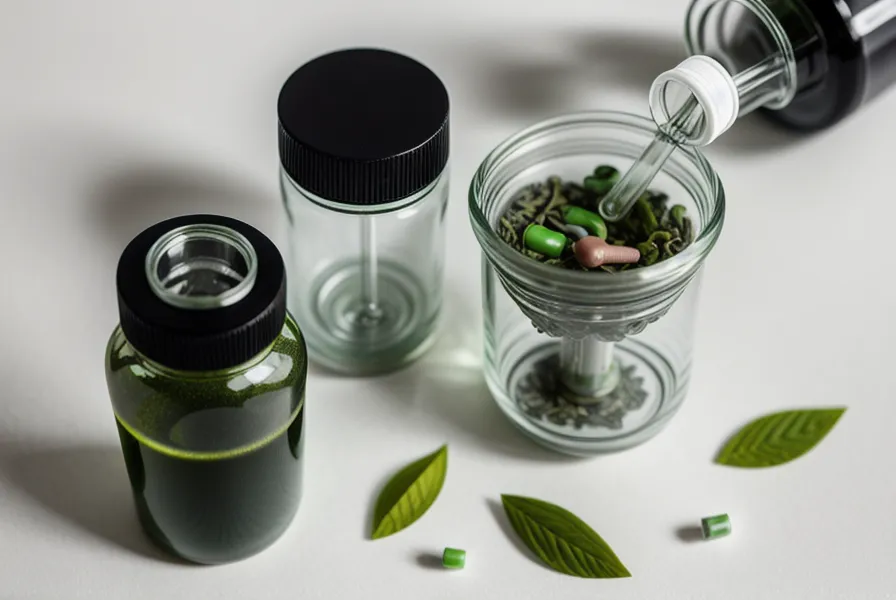
That's the baseline problem every product in this comparison has to solve: does the label actually tell you what you're taking, or does it just tell you what they want you to feel good about taking? Everything downstream of that question is really just a question of effort — how much work you're willing to do to get an honest answer.
CitrusBurn's Case: Betting Everything on a Label You Can Verify
CitrusBurn is the first item in this comparison, and its whole pitch rests on one decision: printing the actual citrus extract content instead of folding it into a "Citrus Complex." I started testing CitrusBurn specifically because of that choice, not because of any before-and-after photo.
The first thing I actually noticed had nothing to do with a scale — it was the smell. There's a sharp, slightly bitter scent of dried citrus peel the second you crack the seal, the kind that reminds me of a spice stall somewhere on a trip through Southeast Asia, not a chemical factory. The compound doing the work is Citrus aurantium, bitter orange, and CitrusBurn actually names it on the label instead of burying it inside a vague "metabolism matrix."
I'm not going to pretend CitrusBurn is magic. Nothing in a bottle is. But it's the first product in this comparison where I felt like I was doing the math myself instead of guessing at someone else's. If you want to see exactly how they format that disclosure, you can check out the CitrusBurn label details here.
Knowing exactly how much synephrine and caffeine I was actually taking changed how I paid attention to the rest of my day — hydration, sleep, when I cut myself off from coffee. That's the real value of a transparent label: not some hidden extra ingredient, just being able to do basic math about what's going into you instead of guessing what's hiding in a "blend."
The Smoothie Diet's Case: Skipping the Bottle Entirely
The other approach worth weighing here is the Smoothie Diet, which solves the same blend problem from the opposite direction — there's no ingredient list to decode because you're the one blending the whole food yourself. There's no "Proprietary Blend" header possible when the label is just whatever is sitting in your fridge.
This is where the comparison actually gets interesting, because the two approaches aren't really competing on effectiveness — they're competing on what kind of effort you're willing to put in. A pill with a clean label still asks nothing of you beyond swallowing it. A blending routine asks you to shop, prep, and actually taste what a "reset" feels like instead of trusting a company's definition of one. Mitch Adeyemi, someone I originally connected with on a supplement-skeptic forum thread, refuses to trust anything with a celebrity endorsement stapled to the label, and he's firmly on team blender for exactly that reason — nobody can hide a proprietary anything in a strawberry-banana smoothie.
Which One Actually Deserves a Spot on Your Counter?
My desk corner in the Pearl District has turned into an informal testing station over time, with supplement bottles lined up along the window in the order I started them, a whiteboard I use to keep the current stack straight, and a little digital kitchen scale I keep next to the keyboard to spot-check whether a serving-size claim is actually true. That scale is unglamorous but it's the most honest tool on the desk. There's a small, satisfying click when it settles on a final reading, and that number either matches the label or it doesn't.
Here's the honest split, and I'd rather give you that than pretend one option wins outright. If you travel a lot, hate meal-prepping, or just want the fewest decisions possible in your morning, the pill with the clean label fits your life better — CitrusBurn only works if the company stays honest about dosage, but at least the label lets you check that yourself. If you actually enjoy cooking, or you've been burned before by a bottle that turned out to be mostly filler, the Smoothie Diet removes the guessing game completely, because you control every single thing that goes into the blender. I noticed the shift in myself on the stairwell inside Powell's, of all places. I hit the second landing without stopping to catch my breath, which hadn't been true in a long time, and neither product gets full credit for that since I was running both at once.
Read the Label Before You Read the Review
If you want the deeper dive into the bioflavonoid side of citrus extracts — the actual compounds doing the metabolic work, rather than just the disclosure practice — I go further into that in Why I Stopped Buying Mystery Blends and Switched to Citrus-Based Support After Months of Label Hunting. That piece stays on the ingredient science; this one is strictly about which product respects you enough to show its work. There's more to say about single-ingredient sourcing and the real cost-per-serving math once you strip out the marketing, too, but that's a separate breakdown for another day.
Stop Trusting the Word "Blend"
Weight loss supplements like to sell themselves as secrets — a formula only one company supposedly discovered. It isn't a secret. It's just whether the company is willing to show you the receipts. CitrusBurn earns points here because their transparent approach here means you're not taking their word for it, you're checking their math yourself. The Smoothie Diet earns the same trust a different way, by removing the receipt entirely — you already know exactly what's in a strawberry.
Whichever side of this comparison you land on, read the label before you read the marketing copy, and if a company won't tell you the dose, treat that as an answer in itself. For more on spotting that exact move, there's my full breakdown in Decoding the 'Proprietary Blend' Scam. Stay skeptical, do your own math, and maybe don't buy a thirty-day juice cleanse on a whim like I did.
All opinions and observations on this site are my own and are shared purely for informational purposes. They do not constitute professional medical, financial, or legal advice. Please consult the relevant professional before acting on any information presented here.