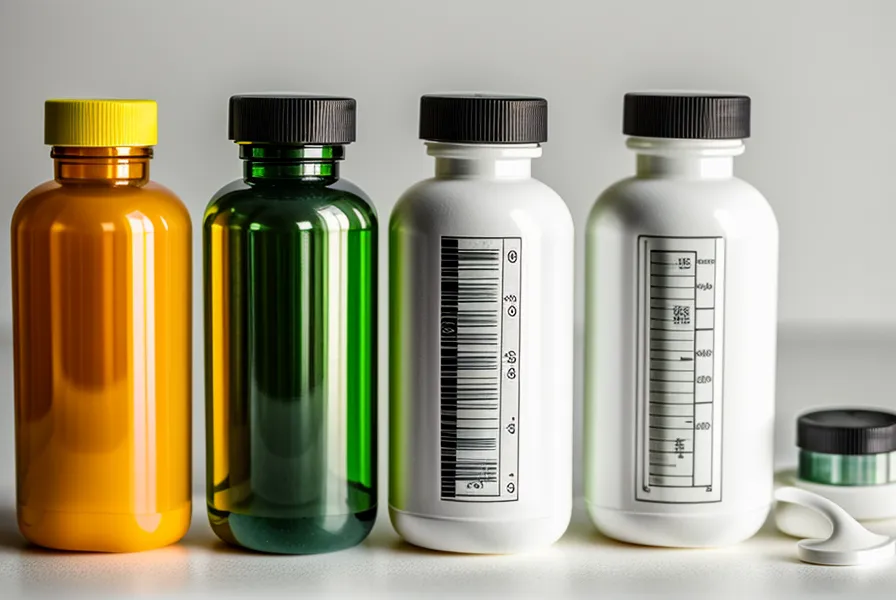
When you flip a bottle and see "Proprietary Blend" under Other Ingredients instead of actual amounts, it feels like you've been handed a locked box instead of a supplement label. I get this question constantly, so this piece is straight label reading and Q&A: the real things people ask about supplement transparency, citrus bioflavonoids, and why I quietly stopped buying anything that hides its dosages. Quick disclosure first: this site runs on affiliate links, including ones for CitrusBurn, and I earn a commission if you click through and buy, at no extra cost to you. I only recommend what I've tested myself on my own weight-loss journey, and none of this replaces a real conversation with your own doctor.
The Problem With Proprietary Blend Labels
Under FDA rule 21 CFR 101.36, a company can list a "Proprietary Blend" by ingredient order without ever disclosing the actual amounts. I've already spent time decoding the proprietary blend trap elsewhere, so I won't rehash the regulatory mess here. What matters for this piece is what changed once I stopped tolerating it, starting with the label that finally gave me a real number instead of a blend name.

Citrus Bioflavonoids and the Number Most Labels Won't Give You
Because the label did something almost nobody else's does: it named a number. CitrusBurn lists a standardized Hesperidin content of 90 percent, and in the world of citrus bioflavonoids, that's roughly the difference between a single-origin bar of chocolate and a bag of anonymous "chocolate-flavored" chips. That specificity is what got my attention on CitrusBurn in the first place, not a before-and-after photo.
Crack the cap on a fresh bottle and there's a faint chemical edge before the citrus notes take over, nothing like the vanilla-drugstore smell most fat burners use to bury the taste of cheap fillers. You can't out-orange your way to that dose, either: the active compound in bitter orange, p-synephrine, comes from Citrus aurantium, and getting a working amount from the fruit itself would mean eating enough peel to land you in urgent care, not smaller jeans. The extract exists precisely because the whole fruit can't get you there.
What I've Actually Tried That Didn't Work
Apple cider vinegar shots, every morning, for two months straight, before coffee, on the promise it would "reset" something in my metabolism — which is the kind of thing you try when you've read too many wellness blogs and not enough ingredient panels. My stomach lining noticed. My weight did not. There was also a gas-station energy shot called QuickBurn that did nothing except make my hands shake for a while, which taught me to read a label before impulse-buying anything at a register. That's the thing about single-tactic fixes: they cost you time and antacids, and they quietly train you to distrust the next product too, even the ones that might actually work.
What I Actually Noticed
Nothing dramatic. About twenty minutes after my morning dose, there's a mild, localized warmth — not the itchy, skin-crawling thing you get from a cheap pre-workout loaded with beta-alanine, more like the tail end of a cup of ginger tea without the mug still in your hand. The clearest tell wasn't a scale number at all. It was the two flights of stairs inside Powell's, taken without stopping to catch my breath halfway up, which sounds like nothing until you spend most of your week at a desk. I've been testing Citrus Flavonoids through a Portland winter and into this spring, and that stairwell moment was the first time a supplement felt like it was working with my body instead of masking something with a jolt.
Irregular Schedules and Supplement Timing
A friend of mine takes improv comedy classes at Brody Theater a couple nights a week, and their schedule bounces around enough that any supplement plan built on a fixed morning-and-night routine falls apart fast. That's the case for citrus-based support like CitrusBurn over a stimulant-heavy pick: it's not chasing a caffeine spike tied to a specific clock time, so it holds up whether you're taking it at 7 a.m. or right before a late shift. Nobody needs one more thing in their day demanding a precise schedule.
Weighing Smoothie Diet and LeanBiome Against Citrus Extracts
Depends on what's actually broken in your routine. Smoothie Diet solves a structure problem — it replaces decision fatigue with a plan, and I won't try to summarize its whole protocol in a paragraph here. LeanBiome comes at this from the gut-health angle instead, leaning on the idea that your microbiome plays a real role in weight management, and if you go that route, shelf-stability and live-culture counts matter more than most labels admit — both deep enough topics to deserve their own write-ups rather than a footnote in this one. If what's broken for you is stimulant crash and jitters specifically, that's its own comparison too, separate from anything about blends. None of these are competing with citrus extracts so much as solving a different piece of the puzzle.
Reading the Back of the Bottle Before the Front
I still run a rough cost-per-serving check before buying anything — not a full spreadsheet here, that's its own post — but the short version is that a cheaper bottle with a vague blend usually costs more per actual dose than a pricier one that actually tells you what you're getting. Some of my skepticism toward flashy "exotic ingredient" labels goes back to two years spent traveling through Southeast Asia, watching how casually effective traditional remedies got treated there compared to how loudly Western supplement companies oversell a single compound — that's a longer story for another time. There's also a case for skipping blends entirely and buying single-ingredient extracts on their own, which is worth comparing separately from what I'm covering here. And if you want the label-by-label teardown on LeanBiome specifically, I've done that line by line elsewhere.
The Short Version: My Supplement Transparency Rule
If a company treats its formula like a state secret, it's usually because there isn't much of a secret in there worth protecting. My actual rule now: stop reading the front of the bottle and start reading the back, and if the back won't give me a number, the bottle goes back on the shelf regardless of how good the front looks. That's not some dramatic weight-loss journey moment, just a habit that's saved me money and a fair amount of stomach discomfort. Walking a few miles up and down NE Alberta on a Saturday afternoon without needing a snack detour is a decent enough test of whether something's actually working, and it's a lot more honest than anything printed on packaging.
Check out CitrusBurn here if you want to see what a transparent label actually looks like, or keep reading my other notes on metabolic support for label readers.
All opinions and observations on this site are my own and are shared purely for informational purposes. They do not constitute professional medical, financial, or legal advice. Please consult the relevant professional before acting on any information presented here.