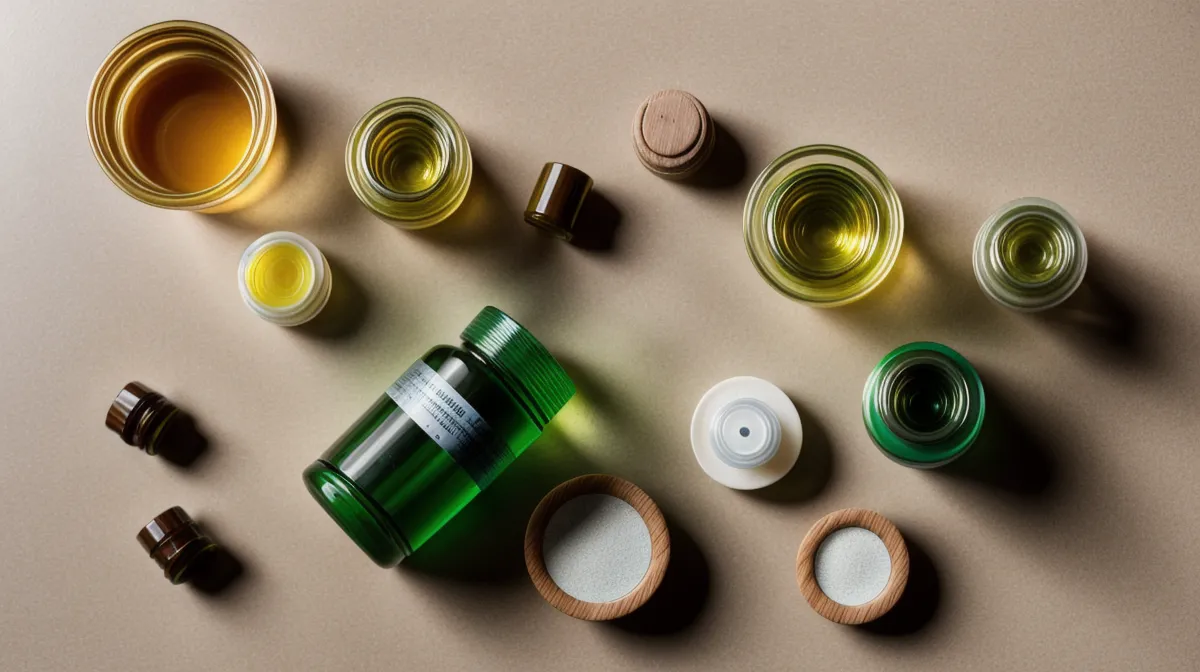
Single ingredient does not automatically mean honest ingredient. That's the misconception baked into half the marketing for bitter melon and berberine right now — the idea that once a supplement drops the word "blend," you're suddenly getting full transparency about natural metabolism support instead of hype. A bottle with one ingredient on the label can hide a useless dose just as easily as any twelve-ingredient proprietary mix ever did.
Believing otherwise cost me actual money. On a walk down SE Hawthorne Boulevard a while back, I stopped into a shop in the Hawthorne District and grabbed a bottle of Momordica charantia — Bitter Melon, single ingredient, nothing else competing for space on the front label — because that felt like the safe, obvious choice. It wasn't until I got home and read the actual panel that I noticed there was no milligram number attached to it anywhere. Just the name, floating there, doing the marketing all on its own.
Long before I got obsessive about ingredient panels, I tried fixing my energy crashes the cheap way: 16:8 intermittent fasting, three months, zero supplements involved. It worked fine for a few weeks and then plateaued hard right around week five and never budged again, which is a very on-brand result for someone who thought skipping breakfast counted as a health strategy. That failure is what pushed me toward paying closer attention to what I was putting in my body during the hours I was actually allowed to eat, and that's roughly where bitter melon and berberine entered the picture.
The One-Ingredient Myth About Bitter Melon and Berberine
Here's the thing about that labeling myth: there's a rule that lets a company print an ingredient name in bold letters and still tell you almost nothing real about the amount, and it works exactly the same whether that ingredient is standing alone or buried in a mix of twelve. A blend hides amounts behind one combined weight. A solo ingredient can hide the same information just by never printing a number at all. Neither one is inherently more honest; they're just two different ways of skipping the one detail that actually matters. I've written before about exactly how that loophole works in Decoding the 'Proprietary Blend' Scam: What My Time in Southeast Asia Taught Me About Reading Weight Loss Labels, if you want the longer version — here, the short version makes the point just fine.
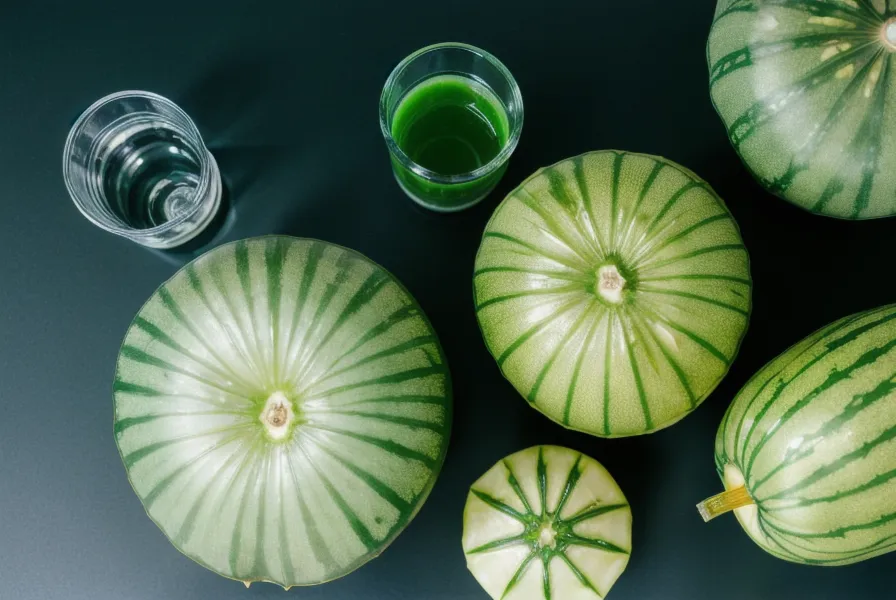
I've fallen for flashier marketing before this, too. A bottle of Hydroxycut sits pretty low in my memory: all promises on the front, nothing but jitters and a headache to show for it, and not one number I could actually use. These days, before I even get to the ingredient panel, I catch myself peeling at the corner of a new label out of pure habit, with that faint resistance right before the sticker gives, like I'm bracing for whatever the fine print is about to admit.
Blood Sugar Explains the Natural Metabolism Talk
Blood sugar regulation is the actual concept hiding behind most of the natural metabolism language on these labels, and it's worth understanding on its own terms instead of as a buzzword. When blood sugar spikes hard and drops hard, hunger and energy tend to follow the same rollercoaster. It's less like a steady simmer on the stove and more like cranking a burner to high and killing it every twenty minutes, then wondering why dinner never quite comes together. Bitter melon and berberine are two of the ingredients most commonly discussed in that exact context, which is exactly why they keep showing up together on labels, honest packaging or not.
None of that is medical advice, and a supplement label is never a substitute for an actual conversation with your doctor about your own blood sugar. What I can say from my own experience is that steadier blood sugar tends to show up in ordinary moments rather than dramatic ones. These days I can sit through an entire afternoon meeting on nothing but water and not feel my attention drift toward the vending machine even once, which was not always true for me.
Why Did Leon's Trainer Push That Fat Burner?
My neighbor Leon Fitzgerald ended up deep in proprietary-blend territory for a reason that had nothing to do with ingredients at all. He knocked on my door one evening asking about a fat burner his gym trainer had recommended, and it came out later that the trainer earned a commission on every bottle sold. The recommendation was never really about bitter melon, berberine, or blood sugar in the first place, just about who got paid. Leon asks about a company's refund policy before he orders anything now, which is honestly a more useful filter than most of the marketing copy he was reading before.
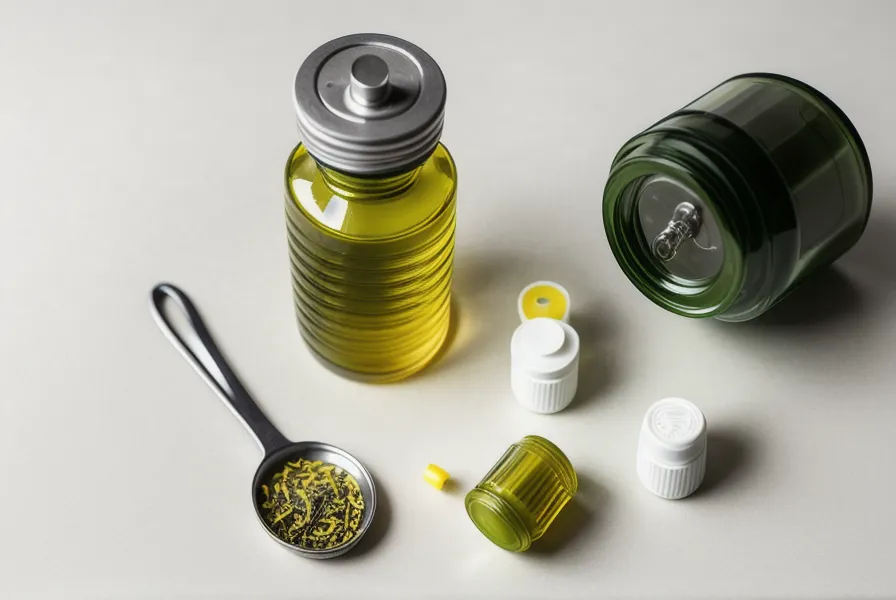
Compare that to my neighbor Owen Tully, who works the floor at a natural foods co-op nearby and refuses to recommend anything he hasn't personally read a certificate of analysis for, even when a customer standing in front of him just wants an easy answer. That's the difference the ingredient count on a label was never going to tell you: not blend versus single ingredient, but whether anyone in the chain actually checked the number before it reached your hands.
Reading the Label Like You Mean It
So the actual test has nothing to do with how many ingredients are listed. Look for an actual milligram number sitting next to the ingredient name (for bitter melon, for berberine, for anything else claiming to help with natural metabolism) and if that number isn't there, the ingredient count doesn't save it. A single-ingredient bottle with no dose disclosed deserves exactly as much skepticism as a twelve-ingredient blend hiding behind one combined weight. That's the whole rule, and it fits on an index card. If you want to see the whole shelf of stuff I ended up returning once I started actually applying it, I documented that hunt in The Proprietary Blend Protest: My Hunt for Transparent Metabolic Support This Past Year.
I still end up with a shelf of bottles I regret, because habits die slower than convictions do, and knowing the rule doesn't always stop me from grabbing something shiny in a checkout line. But the standard hasn't changed: single ingredient or blend, the label owes you a number, not just a name. Chase the number instead of the word on the front of the bottle, and you'll do better than I did for most of the years I spent falling for both kinds of marketing equally.
All opinions and observations on this site are my own and are shared purely for informational purposes. They do not constitute professional medical, financial, or legal advice. Please consult the relevant professional before acting on any information presented here.