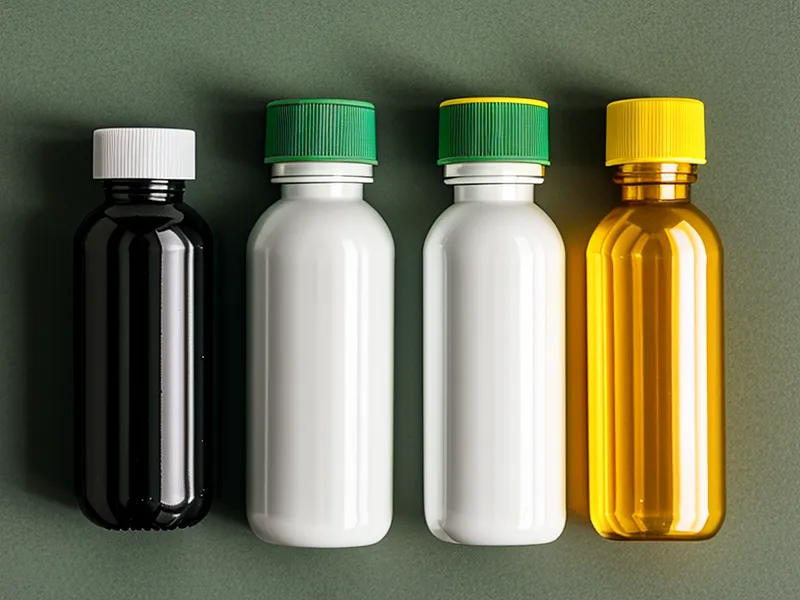
It takes fewer empty bottles than you'd think before you stop believing a "proprietary blend" is going to fix anything. I've got a windowsill in my rented Pearl District apartment lined with the evidence, oldest bottle on the left, like a timeline of bad decisions, and six years into this hobby of mine, I still don't have a clean answer. A $37 PDF calling itself a 21-day smoothie diet showed up on my radar recently, pitched as a weight-loss program built entirely around whole food instead of powder, and my gut reaction was pure supplement-scam radar going off. Clean eating sounds great in a headline. It's a different story once you've watched enough of these programs work the same marketing angles.
Buying it anyway felt almost reflexive at this point — see a low-stakes gamble, throw money at it, hope for something that isn't another fat burner hiding its actual dosages behind legal loopholes. Compared to the triple-digit stacks I usually test, thirty-seven bucks barely registered as a risk. So the bar wasn't high going in. I just wanted a plan I could finish without secretly resenting it by day four.
What the 21-Day Smoothie Diet Protocol Actually Includes
The protocol itself is simpler than I expected, and that simplicity turns out to be the whole selling point. Instead of a mystery powder, you get a day-by-day shopping list built around whole fruit, vegetables, and a rotating protein base — three smoothies most days, with room to swap in a sensible solid meal if your schedule demands it. What caught my attention as someone who reads labels for fun was the pairing logic: a medium banana runs about 14 grams of sugar by USDA figures, which normally sets off alarm bells, but the guide pairs high-sugar fruit with greens and protein specifically to slow how fast that sugar actually hits your system. A cup of raw spinach only adds about 0.7 grams of dietary fiber on its own, which sounds almost pointless until you see how the full day gets layered — fiber and protein stacked against sugar instead of just cutting sugar and calling it a plan. I pulled the kitchen scale I keep next to my keyboard and weighed a banana just to check the guide's math, because six years of doing this means I don't take even the harmless numbers at face value anymore.
A guy I trade notes with in an online supplement discussion group, Sumit Bhattacharya, won't touch anything with a proprietary blend on principle, full stop, and when I mentioned this program didn't have a single blend to hide behind, he said that's probably the whole reason it holds up better than what most people buy. That's about as close as either of us gets to praising a product outright.
Why I Almost Didn't Buy Another Weight-Loss Program
Before clicking "buy," I texted Mitch Adeyemi, someone I originally connected with on a forum thread about proprietary blends years back and later met in person when he passed through Portland for work. Mitch is skeptical of anything that carries a celebrity name or a testimonial from someone with a verified checkmark, so I sent him the sales page half-expecting him to talk me out of it. His answer was almost disappointing: no celebrity attached, no influencer up front, just a PDF and a grocery list. That took away my easiest excuse to skip it.
The first week felt like withdrawal more than a diet. Cutting the usual heavy Portland brunch food for blended breakfasts meant giving up a habit, not just calories, and by day three I was cranky in a very specific, hangry way. Somewhere in there my old test-tracking whiteboard picked up a new line — "Smoothie Diet, wk 1" — right under whatever stack I'd been running before it, next to a windowsill that's basically a museum of things that didn't work. If you want the full, embarrassing version of my personal switch from pill stacks to blended breakfasts, I already covered trading capsules for carafes in detail and won't repeat myself here.
By week seven, deep into a second run of the program, I noticed how much had actually shifted without paying much attention to it happening. I was up on Wildwood Trail after work, mile four in, and the light had already dropped into that flat gray-blue it gets right before full dark — and I was still moving at a pace that would've had me stopping to catch my breath a couple months earlier. Nobody was around to witness it. My legs just weren't arguing with me anymore, and that's where it registered first, on a quiet trail, not on a scale.
The Juice Cleanse That Taught Me Nothing Works Without Structure
Compare that to a thirty-day juice cleanse I did from a Portland juicery a while back, which left me with a fridge full of pressed bottles and zero lasting change once it ended. That cleanse never gave me anything to actually do — just bottles to drink on someone else's schedule — so when the thirty days wrapped, there was nothing left to keep going. The smoothie diet's shopping list, annoying as it is to follow some weeks, at least teaches you which combinations you'd bother making again on your own once the guide isn't telling you to. Structure sticks around. A liquid schedule handed to you by somebody else usually doesn't.
One rainy afternoon, rushing a green smoothie before heading out the door, I under-blended a handful of kale and spent the next mile chewing pulp instead of drinking anything, a distinctly unglamorous side of "whole food nutrition" that nobody puts in the marketing copy. If you don't own a decent blender, this program will test your patience before it tests your willpower.
Is This Actually Clean Eating, or Just Marketing?
Calling it "clean eating" is doing some quiet marketing work, honestly, it's just food, prepared simply, with no supplement industry standing between you and the ingredient list. There's likely also a gut-health angle to why whole smoothies sit better than powdered replacements for a lot of people, though I've already gone deep on the microbiome side of weight loss in another post and don't need to rehash it here. The whole format also reminded me of the fruit stalls I used to grab breakfast from during two years living in Southeast Asia, simple ingredients blended fresh with nothing to hide, a comparison I've made in more detail elsewhere, so I'll leave it there.
One caution is worth repeating, because sales pages tend to skip it: drop calories fast enough on any plan like this, and your body tends toward metabolic adaptation — it gets stingier with energy the longer you sit in a deficit. I won't pretend to understand that process past the headline, but I've felt the plateau enough times, on enough different plans, to take the warning seriously instead of pushing straight through it. These programs work best as a reset, not a permanent lifestyle, and if you don't have a plan for transitioning back to solid meals afterward, you're just renting a lower number on the scale for a few weeks.
So, Is the $37 Worth Your Cash?
Doing the cost-per-serving math out of habit, comparing it against a month of the specialty protein powder I'd otherwise be buying, the PDF is hard to beat on price alone, though price was never really the question I was trying to answer. What I actually noticed during testing wasn't a transformation into a fitness model, it was a change in how I shopped. The value isn't a magic formula, it's the shopping list discipline that keeps me out of the processed "health" bar aisle. Fourteen grams of sugar in a banana was never the enemy. The thirty-plus unpronounceable ingredients in a meal-replacement shake were always the actual problem.
My whiteboard now looks like a conspiracy board for someone trying to solve one crime: why does 3 p.m. feel fine now. That's about the same time the afternoon light starts cutting low across my desk in this apartment, right when the old fog used to hit hardest. Before I recycled one of the emptier bottles from the windowsill line-up, I peeled the label off out of old habit, feeling that little stubborn tug where the adhesive doesn't want to let go, a small, dumb ritual that's outlasted every supplement it was ever stuck to. I wrote a longer breakdown of how this stacks up against other options in my 21-day smoothie diet review, if you want the recipe-level detail.
If there's one thing worth carrying out of this, it's that the win was never the smoothies themselves, it was letting a shopping list do the thinking my willpower usually fails at. Use it as a tool with an end date, not a lifestyle you owe loyalty to, and keep reading labels even after the program's over, because that habit is the part that actually pays off long after the PDF stops mattering.
All opinions and observations on this site are my own and are shared purely for informational purposes. They do not constitute professional medical, financial, or legal advice. Please consult the relevant professional before acting on any information presented here.