
How many milligrams of the one ingredient you're actually paying for are hiding inside that "proprietary blend" on your shelf right now? I can't answer that for you, and neither can the label, which is exactly the problem with most metabolic health supplements sold as some kind of quick fix. Portland wellness culture will happily tell you which farm your kale came from, yet plenty of us are swallowing capsules with about as much supplement transparency as a locked filing cabinet. I've spent more money than I'd like to admit chasing "metabolic matrices" and "energy blends" that turned out to be mostly filler, and somewhere along the way I turned into the guy who reads ingredient panels standing in the aisle like it's a legal contract, because functionally it is.
Two years of backpacking through Southeast Asia will do strange things to your relationship with mystery ingredients. That instinct goes back to buying herbal bags off street vendors who promised "clean energy," no dosage, no sourcing, and no questions asked on my end. That version of me would be baffled by the guy who now flips a bottle over three times before letting it near his kitchen counter. Somewhere between those markets and this city, the pendulum swung hard, and I stopped trusting anything that wouldn't give me an exact number.
What's Actually Inside a "Proprietary Blend"?
A proprietary blend works a lot like a restaurant menu that just says "seasonal vegetables" without telling you which ones or how many. A brand advertises a "500 mg Metabolic Matrix" and lets you assume the expensive active ingredient makes up most of that weight, when it might be a fraction of it, padded out with cheap filler like maltodextrin or rice flour. In the industry this gets called "label dressing," and it's about as flattering as it sounds.
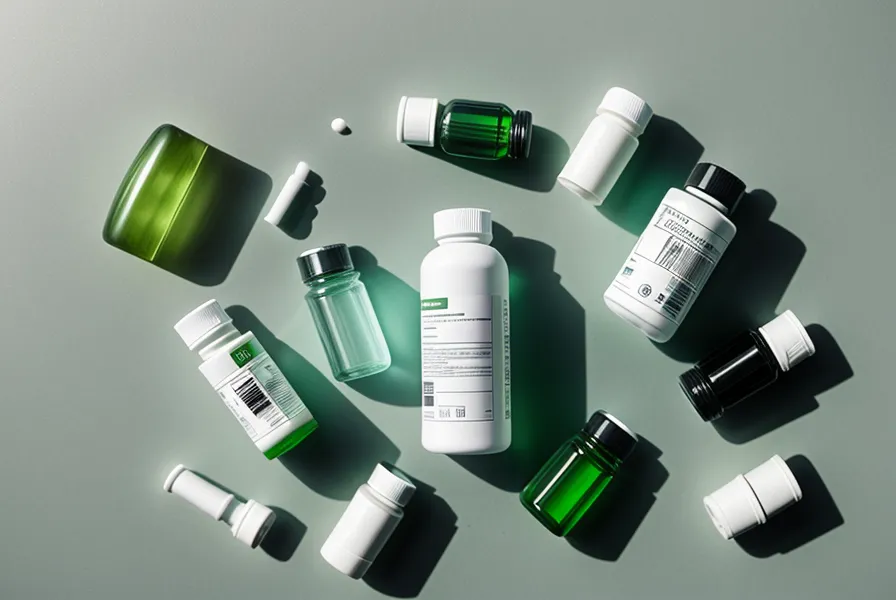
There's a decades-old piece of federal supplement law behind this loophole: the Dietary Supplement Health and Education Act. It's completely legal, which is the maddening part. I've broken this down in more detail in my transparency audit on metabolic support, so I won't rehash the whole thing here, but imagine paying for a "lobster bisque" that turns out to be one lobster whisker swimming in potato stock. That's the proprietary-blend experience in a bowl, and it's exactly why supplement transparency has become the only marketing claim I actually trust.
Owen Started Asking Me Real Questions
My neighbor Owen works the floor at a natural foods co-op a few blocks from my building, and he started knocking on my door after customers kept asking him things he couldn't answer. Owen trusts his nose before he trusts a nutrition panel. Hand him a jar of turmeric and he'll tell you it's stale from the color alone, no label required, which is a skill I will never have. What he doesn't trust, understandably, is a panel that lists a "proprietary energy complex" instead of actual numbers, and that's the thing I keep coming back to whenever I walk him through a bottle: read for the specific milligram or percentage, not the flattering name printed next to it.
Six Weeks Without Bread or Pasta
Before I got obsessive about labels, I tried fixing my metabolism the blunt way: six straight weeks with zero bread and zero pasta, on the theory that cutting carbs entirely would jolt something loose. I lost three pounds in the first month and felt smug about it at dinner parties.
Then my body did what bodies do when you fight them instead of working with them, and within a few weeks of eating normally again, I'd gained back four. That crash course taught me more about metabolic health than any supplement label ever has: restriction isn't the same as support, and a metabolism that's been starved doesn't reward you for it later.
My Doctor Paused, Then Said Keep Going
Five weeks after I started actually caring about dosages instead of guessing, I had a regular physical scheduled, nothing dramatic, just the annual blood work I kept putting off. My doctor pulled up the panel, went quiet for a beat longer than usual, and said something close to, "whatever you're doing, keep doing it." No dramatic before-and-after story, no grand reveal, just a doctor who normally moves straight to the next line item pausing for a second, which for a guy who spends his slow afternoons in the health section at Powell's Books cross-referencing ingredient names felt like the closest thing to peer review I was going to get.
Leon's Trainer and the Hidden Commission
Leon, another neighbor in my building, knocked on my door one evening holding a bottle his gym trainer had recommended, and it turned out the trainer earned a commission on every bottle he pushed, which is how Leon ended up deep in proprietary-blend territory without realizing it. We went through the label together, and the ingredient that worried me wasn't even the one flagged as a stimulant; it was a botanical extract three lines down that can spike your heart rate just as hard as caffeine while hiding under a name nobody recognizes as one. These days he spends his lunch break reading Examine.com ingredient summaries instead of taking his trainer's word for it, which either means I created a monster or did my one genuinely good deed of the year.
The Real Cost-Per-Serving Math for Metabolic Health
Once you start doing cost-per-serving math instead of comparing sticker prices, a lot of "bargains" stop looking like bargains. A smaller bottle dosed at an effective level can beat a bigger bottle diluted down to almost nothing.
Whether a formula's gut-microbiome angle is doing anything measurable is its own rabbit hole I'm still not done with. So is whether a smoothie-replacement protocol is realistic for someone who still has to show up to a job every day. I've also gotten curious about whether a single sourced ingredient beats a blended formula, and whether a probiotic's live-culture count actually survives long enough to matter by the time it reaches you. None of those questions has one clean answer, but they all trace back to the same thing I ask about every metabolic health product now: what, specifically, am I getting, and can I verify it myself?
Check the Percentage, Not the Promise
Not every "metabolic support" formula earns that kind of trust, for what it's worth. I tried a big-name blend a while back whose second listed ingredient was plain rice flour, not hidden inside a matrix, just sitting right there on the label, like nobody expected a customer to read that far down.

A well-labeled citrus extract, on the other hand, will tell you the actual polyphenol percentage instead of just saying "citrus blend", the kind of transparent citrus extract labeling I go looking for now, the same way I check a caffeine source's concentration instead of trusting the word "guarana" to mean anything on its own. Handle enough loose powder out of enough bottles and you start recognizing the chalky film it leaves on your fingers before you've even read what's printed on the label. It tells you nothing about quality, for the record, but it's become a strangely reliable ritual anyway.
I've made the mistake of guessing what's actually in a supplement before, and it cost me more than I expected. A racing heart from a stimulant I didn't know I was taking is not an afternoon I want to repeat.
So here's the one rule I actually follow now, the only one that's mattered across every bottle I've tested: find the specific number before you trust the marketing copy. If a percentage, a milligram amount, or a concentration is missing, that's not an oversight. That's the manufacturer betting you won't ask. Portland loves to interrogate where its food comes from; there's no reason our metabolic health supplements should get an easier pass than our coffee beans do.
All opinions and observations on this site are my own and are shared purely for informational purposes. They do not constitute professional medical, financial, or legal advice. Please consult the relevant professional before acting on any information presented here.