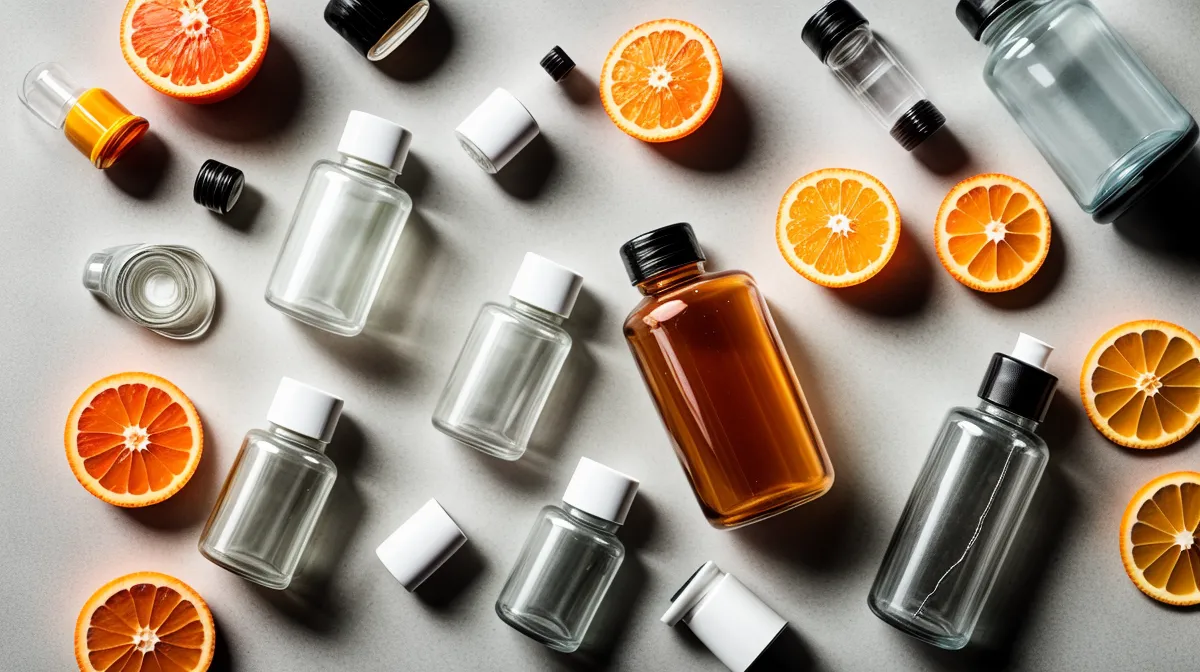
One label spells out every milligram of citrus extract inside it. The other just says "Thermo Complex" and asks you to trust the process. That gap is basically the whole reason I stopped shopping for natural weight loss support by the front of the bottle and started reading the back like it owes me money.
Quick housekeeping before I get into it: some of the links below are affiliate links, and if you buy through one I earn a small commission at no extra cost to you. I only link to things I've actually bought and used — never something a company mailed me for free. I'm not a doctor and have zero medical training, so nothing here replaces an actual conversation with yours. I've just spent a genuinely embarrassing amount of money testing supplements and started writing down what I noticed.
The Proprietary Blend Problem (And Why My Neighbor Got Burned By It)
A proprietary blend is just a label's way of adding ten ingredients into one number and calling it a day. You get a total weight, not a breakdown, and that's the entire trick. My neighbor Leon Fitzgerald found this out the hard way. He knocked on my door one evening holding a bottle his gym trainer had recommended, excited about the "fat-burning matrix" printed across the front. Turned out the trainer earned a commission every time he sold it, which is exactly how a guy trying to get healthier ends up owning a bottle where the only ingredient he can actually name is caffeine. Leon shops for supplements like he's buying a used car now — kicks the tires, reads the label twice, assumes something's being hidden until proven otherwise. Honestly, that's the correct instinct to have.
Not that I'm any better, by the way. I once stood in a health food store parking lot for twenty minutes googling a single ingredient name instead of just walking in and asking someone — trust issues apparently run in both directions. It's also why I stopped comparing bottles by sticker price and started doing the more boring math of cost per serving instead, since a bigger bottle isn't a better deal if half of what's inside is filler. The fix, for me, ended up being the opposite of a blend entirely — looking for citrus extracts isolated out of a blend so each flavonoid could be traced back to its own milligram amount, which is the same logic behind single-ingredient basics.
What Three Months of 16:8 Actually Taught Me
None of this started with supplement labels, though. Before I cared about any of it, I tried 16:8 intermittent fasting for three months, eating on a strict window and nothing outside it, because that's what every fitness account online was pushing that year. It worked, for about five weeks. Then the scale just stopped moving, and no amount of black coffee or willpower budged it again. That plateau is what pushed me toward paying closer attention to what I was actually putting in my body instead of just when I was eating it.
I'd already seen what real ingredient transparency looked like years earlier, watching vendors grind dried citrus peel and roots right in front of customers at open-air herbal stalls somewhere like Bangkok's Chinatown. No blend, no mystery, just what you could see and smell for yourself. These days, when I want a food-based reset instead of another capsule, I'll go with something like the Smoothie Diet, mostly because I can watch every ingredient go into the blender instead of trusting a pill I can't take apart.
Switching to a Citrus Extract I Could Actually Read the Label On
Once I started shopping only for things with a full ingredient breakdown, I noticed something simple: a transparent label states the active compound's exact percentage right on the bottle instead of folding it into a blend total. You can look up p-synephrine yourself if you want the specifics — the short version is I can finally see a real number instead of guessing at one. That's what led me to a standardized citrus extract, CitrusBurn, the one I've been using since, and the difference showed up fast. Around week four, I caught myself doing my belt up on the third loop without thinking about it, which sounds small until you remember how long I'd been stuck on the same one before that. There was no jittery buzz and no crash, just a mild, steady warmth that felt less like a stimulant and more like the internal version of a wool sweater on a cold day.
Peeling the backing off a new bottle's label to check the fine print has become such a habit that I notice the slight resistance of the sticker pulling away from the glass before I've even read what's underneath it. None of this works by kicking your nervous system into overdrive, either. The whole appeal of a stimulant-free approach is that it doesn't have to. It's the same reason I still reach for clean herbal teas when bloating is the actual problem instead of energy. Sometimes the fix doesn't need to be a capsule at all.
Where Does LeanBiome Actually Fit Into This?
Citrus extracts solve one specific problem: a jittery stimulant blend, and they're not the answer if what you're actually dealing with is more about digestion than energy. That's a different conversation, closer to the microbiome side of weight loss than the thermogenic side, which is why I still use LeanBiome as a separate tool instead of a swap for the citrus extract. If a probiotic is what you're after, CFU viability matters more than the total count printed on the label — a strain that doesn't survive stomach acid isn't doing much for you no matter how big that number looks.
The One Thing I Check Before I Buy Anything Now
If there's one habit worth stealing from all of this, it's simple: flip the bottle over before you care about anything on the front. A brand name, a badge that says "premium formula," a guy on the label holding a stopwatch. None of that tells you what's actually in the capsule. The milligram breakdown does. I tried a flashy one a while back, something called ThermoFlex Extreme, all capital letters and exclamation points, and gave up on it within a week because the label wouldn't tell me anything past "Energy Complex." I still reach for CitrusBurn because it passes that test, not because the packaging convinced me of anything. My neighbor Owen, who works the floor at the co-op down the street, says the bulk bins run the same way. He can rattle off exactly which herbs never stay in stock and why, and lately it's the same handful of citrus and bitter-orange blends everyone keeps asking about.
Reading the back of a bottle isn't glamorous, and it won't make you feel like you found some kind of secret. It just means you know what you're paying for, which is a lower bar than it should be for an entire industry. I write about this more often than is probably healthy, and you can find more of it over at more of my label-reading rants. And if a guy who once ate on a rigid eight-hour window for three months straight and still plateaued can learn to flip a bottle over, so can you.
All opinions and observations on this site are my own and are shared purely for informational purposes. They do not constitute professional medical, financial, or legal advice. Please consult the relevant professional before acting on any information presented here.