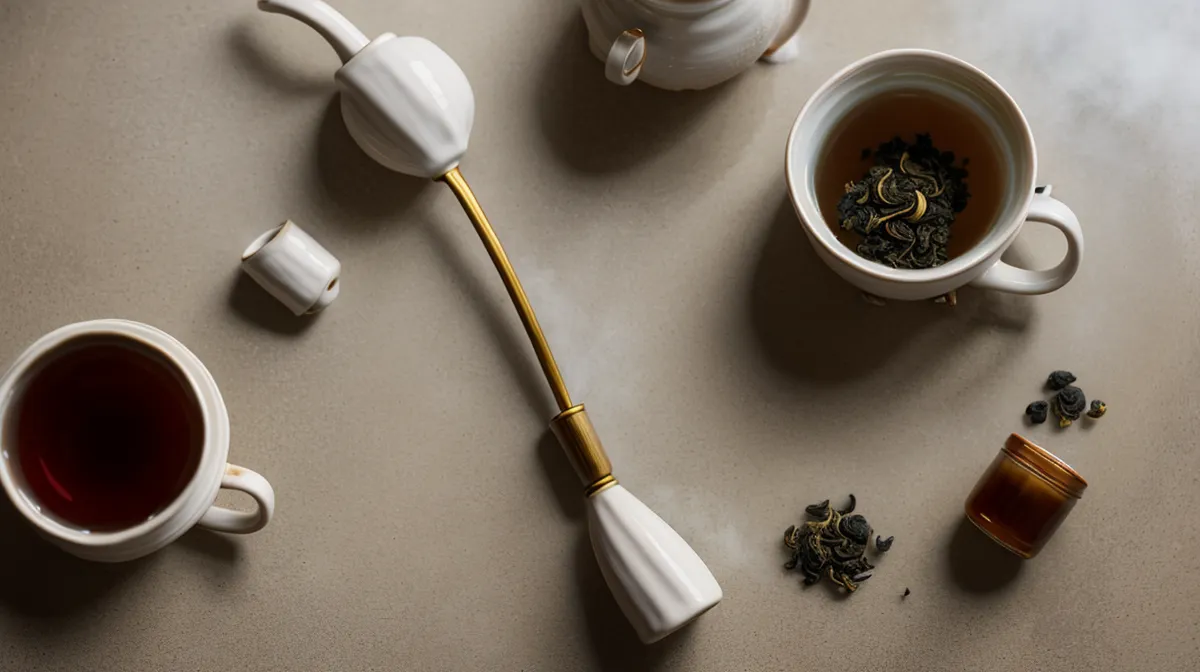
A tin labeled "Proprietary Slimming Blend" and a plain bag marked "Oolong, whole leaf" can sit on the same grocery shelf, cost about the same, and promise the exact same thing — a faster metabolism — but only one of them tells you what's actually inside. That gap, not the strength of the stimulant, is what separates a clean-ingredient metabolism tea from a bottle of marketing. If you're hunting for the best metabolism boosting tea for women who actually read what they're buying, the real comparison isn't tea versus pill. It's transparent versus hidden.
I'm not a doctor, and I don't pretend to be one here — I'm just someone who's burned a stupid amount of money on supplements and got tired enough of being lied to that I started writing it all down. Traveling through Southeast Asia made the whole proprietary-blend industry look even more ridiculous: once you've watched a vendor scoop dried herbs straight out of an open basket at a market stall, a sealed tin that refuses to say how much of anything is inside stops looking premium and starts looking suspicious.
Proprietary Blend Tea vs. Whole-Leaf Oolong: What the Label Actually Tells You
The FDA lets a company hide individual ingredient amounts behind the words "proprietary blend," as long as the total weight shows up somewhere on the box — I've ranted about that loophole at length in The Portland Rule for Weight Loss, so I won't repeat the whole argument here. Short version: it's legal, and it's exactly why a glossy tin can list fifteen herbs without saying whether the first one is a full dose or a pinch.
Curiosity got the better of me once with a tin like that, years ago. One afternoon and most of an evening were spent near the bathroom, the scale hadn't moved by the next morning, and the ingredient list taught me nothing except that senna works fast. Set that same tin next to a bag that just says "Oolong, whole leaf, Fujian," and the second one wins before either gets brewed — you know the plant, the processing style, and roughly what's in the cup. The first could be mostly cheap filler with a hidden dose of a harsh laxative, and there'd be no way to know until your stomach told you.
Does More Caffeine Actually Mean a Faster Metabolism?
Most "metabolism" tea marketing leans hard on caffeine, and the pitch sounds almost too simple to be wrong: more stimulant, more burn. My own experience runs the opposite direction — a double-shot-strength tea leaves me wired and hungry by mid-afternoon, not leaner. Oolong and Pu-erh sit at the quieter end of that scale. Brewed oolong runs around 37mg of caffeine per 8oz cup by USDA figures, roughly a third of what a standard cup of coffee carries. That's not nothing, but it's a nudge instead of a shove — the kind of caffeine you can drink without wrecking your sleep eight hours later.
Fermented Pu-erh vs. Semi-Oxidized Oolong
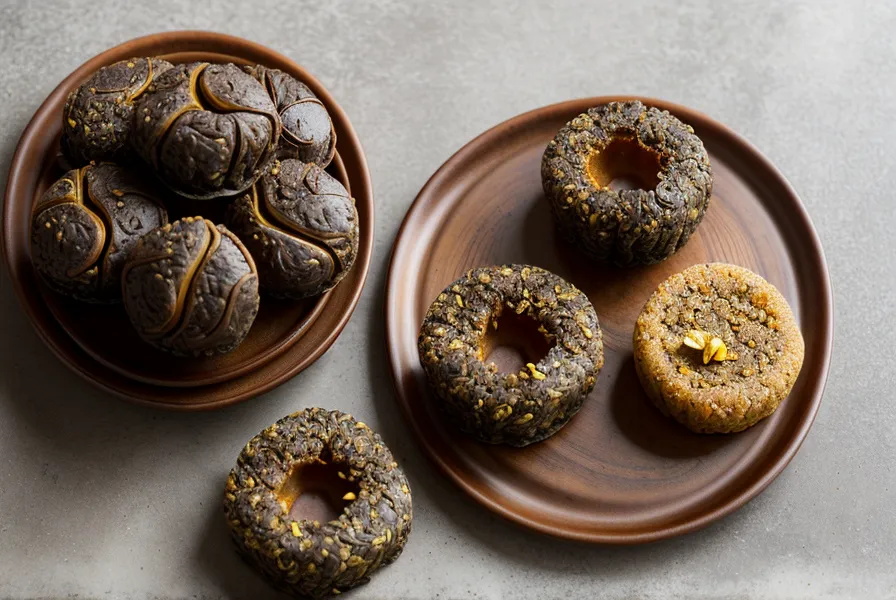
Oolong sits in the middle of the oxidation spectrum — more processed than green tea, less than black — which is part of why both its flavor and its caffeine land in the middle too. Think of it as medium heat on a stove instead of full blast. Pu-erh goes further: it's fully fermented, made almost exclusively in China's Yunnan province, and that microbial fermentation step gives it a deep, almost damp-earth character that neither green nor black tea has. Side by side, oolong is the approachable everyday option, and Pu-erh rewards patience — it tends to mellow and deepen with age, the way a good stock improves the longer it simmers.
My neighbor Owen works the tea aisle at a natural foods co-op down the street, and his instinct runs opposite to mine — he'll smell a bag of Pu-erh or check the color of the leaf before he even glances at the label, and his nose catches a stale or low-grade batch more reliably than a dosage chart would. My own track record with trusting my nose is worse: I once brewed a Pu-erh so far past its prime it tasted like a damp basement, and finished the cup anyway out of pure stubbornness. Between his senses and my label obsession, I'd rather have both than either alone.
Dandelion Leaf Takes the Slower, Steadier Route
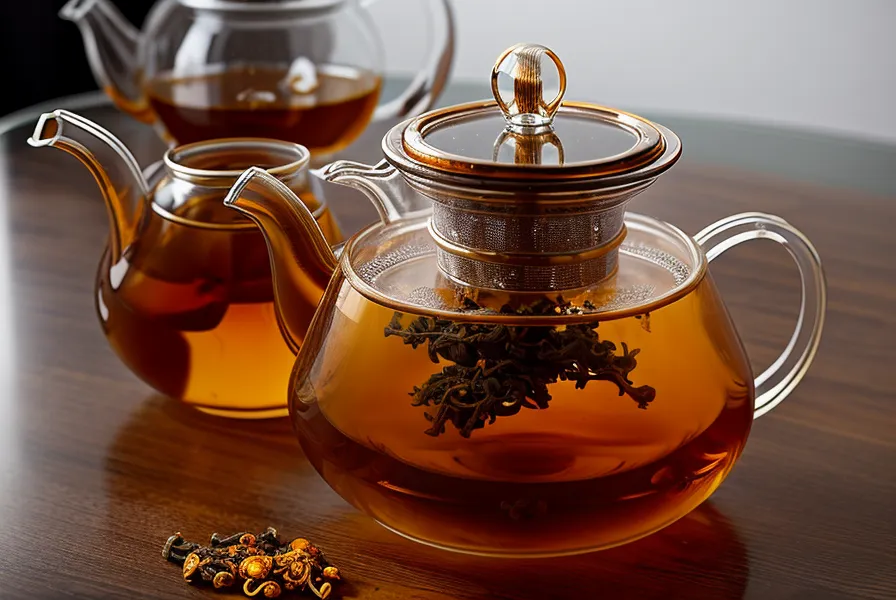
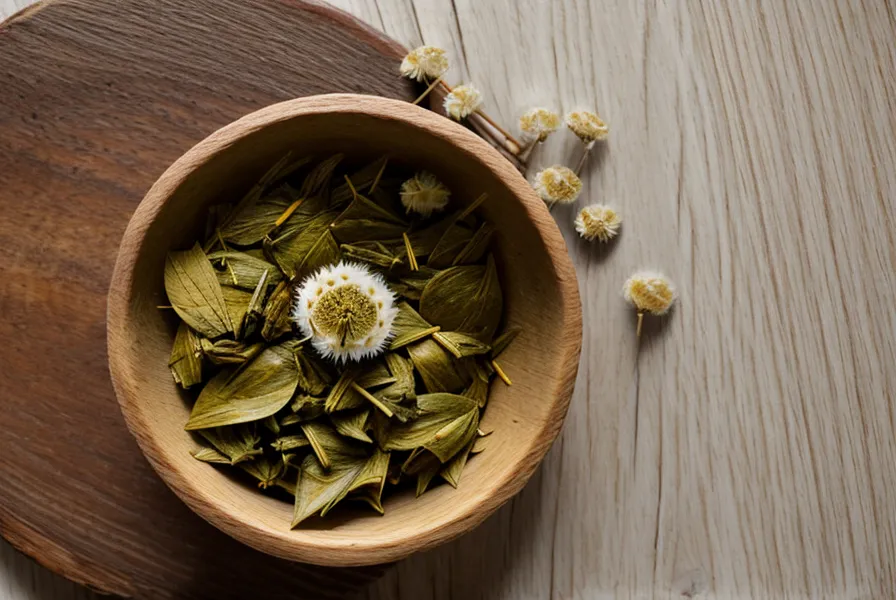
A lot of "skinny tea" blends lean on heavy diuretics or laxatives to move the scale fast, and that's water weight and bathroom trips, not fat loss, a distinction worth its own article, so I'll leave it there. Dandelion leaf works on a gentler curve. Botanically it's Taraxacum officinale, and it's one of the more notable plant sources of potassium, which seems to be part of why it eases that heavy, bloated feeling without the urgency of a harsh diuretic. Next to a tea that promises to flush you out by dinner, dandelion is the slower, steadier option — less dramatic, more livable as a daily habit. If green tea extract side effects were ever your wake-up call on concentrated stimulants, dandelion and whole-leaf tea are the paced-down alternative — steady instead of sharp.
How Do You Actually Read One of These Labels?
Pull two boxes off the shelf and compare the ingredient lines, not the marketing copy on the front. "Natural flavors" on a tea label usually means the tea itself wasn't good enough to taste like tea on its own, so something got added to fake it — that box goes back on the shelf every time. Organic certification matters more here than with most supplements, since tea leaves aren't washed before drying, so whatever was sprayed on the farm ends up straight in the cup. Specificity is the real tell: a box that just says "Oolong" is worth less to me than one that says "High-Mountain Wulong" from a named region, the same way "beef" on a menu tells you less than a cut and a grade. The oolong tea inspired by Southeast Asian traditions is the category I keep coming back to for exactly that reason — specific tea, specific processing, no guessing game.
Which One Actually Belongs in Your Cupboard
So: proprietary tin or whole-leaf tea — which wins? Pick the blend if you genuinely don't care what's inside and just want to try something once; expect a jolt, a trip to the bathroom, and a tin that ends up pushed to the back of the cabinet within a month. Pick a named, whole-leaf oolong or Pu-erh if you want something drinkable every single day without wondering what you just swallowed — moderate caffeine, a traceable ingredient list, and a flavor that improves instead of wearing thin. Talk to your own doctor before starting any new herbal routine, especially if blood pressure or sleep is already an issue for you — I have zero medical training, just a drawer full of empty tea bags and strong opinions. But on the question of which approach respects your body and your wallet more, transparency has won every single comparison I've run.
All opinions and observations on this site are my own and are shared purely for informational purposes. They do not constitute professional medical, financial, or legal advice. Please consult the relevant professional before acting on any information presented here.