
I've got two bottles lined up on the counter, labels facing out, doing the thing that annoys anyone who's ever grocery-shopped next to me: reading every line of both ingredient panels before either one earns a spot in my natural weight loss routine. One spells out its citrus bioflavonoids down to the milligram. The other hides behind a single "proprietary blend" number and calls it a day. Supplement transparency is the whole reason I'm standing here instead of just grabbing whichever bottle has the loudest label, and it's also the reason this whole article exists — one side of the counter respects that, the other doesn't.
Quick disclosure before we go further, since one of these bottles is something I'll link to: this site runs on affiliate commissions, I earn a small cut if you buy through a link like the one for CitrusBurn at no extra cost to you, and I'm not a doctor or a scientist, just someone who has spent six years testing this stuff, reading too many ingredient panels for fun, and once picked a fat burner because the label had a cartoon lightning bolt on it. Talk to your own physician before changing anything metabolic, especially if you're managing an existing condition.
Two Bottles, One Countertop, Very Different Rules
The comparison worth making here isn't CitrusBurn against every other bottle on a shelf. It's stimulant-loaded proprietary blends against transparent, single-compound citrus formulas: two different bets on how a body is supposed to lose weight, and almost nobody explains the trade-off honestly before you swallow either one.
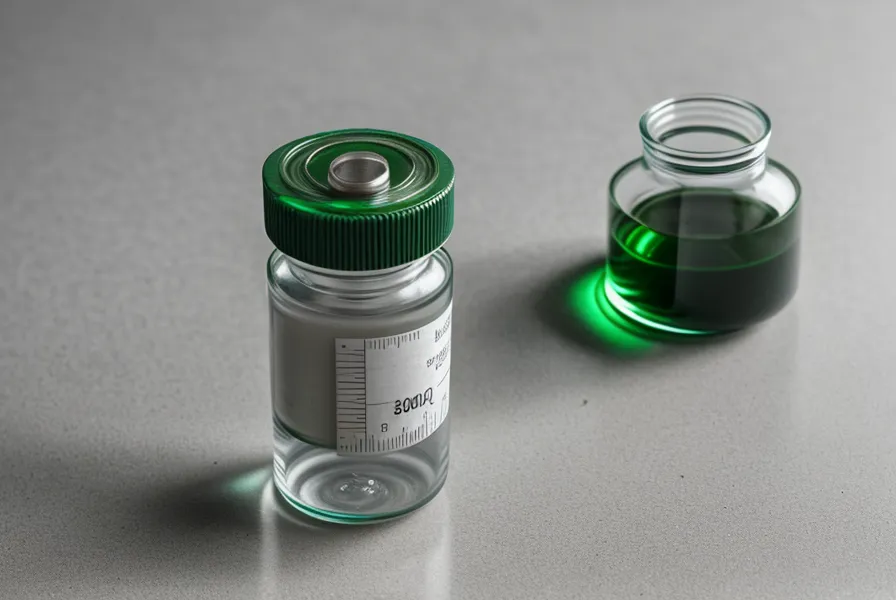
What Is a Proprietary Blend Actually Hiding?
A proprietary blend only has to disclose the total weight of the whole mix, not how much of any single ingredient made it into your capsule. That's a gap I got into in more depth in the proprietary blend scam, so I won't relitigate the whole argument here, but the short version is that a big number on the front of the label tells you nothing about what's actually doing the work inside it.
It's the supplement version of a restaurant menu that lists "pasta dish, one bowl" without saying anything about the ratio of noodles to sauce to whatever got thrown in to bulk it out. You're trusting the kitchen completely, and most kitchens haven't earned that.
Reading the Citrus Bioflavonoid Label Like a Skeptic
Reading a label is basically a reflex for me at this point — I'll catch myself doing it on cereal boxes that have nothing to do with weight loss, purely out of habit. On the citrus side, what actually stopped me was a bottle that broke its citrus flavonoids down by percentage instead of folding them into a blend, with a standardized hesperidin concentration listed right on the panel instead of buried in a mystery total. Seeing a specific, checkable number is a low bar, honestly, but almost nothing on the stimulant side of the shelf clears it.
I keep a kitchen scale handy for exactly this kind of spot-check, and there's a small, satisfying click when it settles on a reading that either backs up a serving-size claim or doesn't. I won't walk through the full cost-per-serving math in this piece; that's its own rabbit hole, and I've done it properly elsewhere, but the short version is that a transparent label makes that math possible in the first place, while a blend makes it impossible no matter how good your spreadsheet is.
Why the Warmth Feels Different From a Caffeine Spike
Before I found the citrus route, I spent two months on a different fix entirely: apple cider vinegar shots every single morning, on the theory that the acidity would nudge something loose. It didn't. No shift in energy, no change in appetite, just a rough throat and a habit I was relieved to drop once I admitted it wasn't doing anything.
What the citrus formula actually did was quieter than that. There's a subtle, creeping warmth that shows up about half an hour after the morning dose — not the jittery, gotta-move heat of caffeine, more like a small radiator finally kicking on in a cold room. I sat through an entire afternoon meeting a few weeks back without reaching for coffee once, and I never hit that three o'clock wall where my brain usually fogs over. That's not nothing, and it's also not a miracle — it's a different mechanism than the stimulant approach, and I'll leave the deeper how-it-curbs-appetite-without-touching-your-nervous-system explanation to metabolic support that respects your sleep, since that piece covers it more thoroughly than I can here.
A friend of mine spent the better part of last year taking improv comedy classes at a theater up in the Alberta Arts District, and they're the one who first complained that a stimulant blend was wrecking their energy for evening class. That conversation is honestly what sent me down the citrus flavonoid path to begin with, long before I turned it into a running experiment on my own kitchen counter.

Where a Stimulant Approach Still Makes Sense
None of this makes stimulant blends worthless across the board. If you're not sensitive to caffeine, you want a short, sharp nudge before a specific window like an early workout, and you've independently confirmed the brand's actual dosing some other way, a loud stimulant formula isn't automatically the villain of the story. The problem was never caffeine by itself. The problem is buying a number you can't verify.
Citrus Isn't the Same Bet as Probiotics or Single-Sourced Extracts
Citrus flavonoids aren't doing the same job as a probiotic working on gut microbiome balance — that's a completely different mechanism, tied to a different part of the weight-loss conversation, and I've gone deep on it separately rather than mash the two together here. Shelf-stable CFU viability matters a lot if you're in that probiotic lane, but it's irrelevant to a citrus extract sitting in a capsule right next to it.
Two years living in Southeast Asia got me curious about traditional remedies long before any of this, watching people buy raw herbs by weight in local markets instead of pre-dosed capsules — a story for another time. Back home, the version of that same instinct is buying a single, sourced ingredient instead of a twelve-item stack, which is its own comparison I keep coming back to and won't fully unpack here.
Picking a Lane: My Actual Verdict
By my count, the actual decision is simpler than the marketing on either bottle makes it look. If caffeine makes you wired or anxious, or your schedule doesn't leave room for a stimulant crash at the wrong time, the transparent, non-stimulant citrus route is the safer default, and a specific, checkable dose on the label should be treated as a baseline requirement, not a bonus feature. If neither of those applies to you and you've done the legwork to verify what you're actually taking, a stimulant formula can still earn a spot in the routine — just don't let a big proprietary number stand in for something the label should be telling you outright.
For the citrus side specifically, CitrusBurn is still the bottle on my counter that I trust most, mainly because a small capsule can only physically hold so much — when a label claims a dozen active ingredients crammed into one capsule, you're looking at slivers of everything and a meaningful amount of nothing, and this one at least tells you where its space actually went. For meal structure on the days my schedule falls apart, I've leaned on the Smoothie Diet protocol, which is a completely different tool solving a completely different problem, and worth its own separate conversation rather than a footnote here.
Look for the hesperidin percentage before anything else, whichever brand you land on, and treat a bottle that won't give you one as a bottle that already answered the question. If you want to see the label that actually passed my counter test, CitrusBurn is the one I keep coming back to, and I'd rather you make that call with real numbers in front of you than take my word for any of it.
All opinions and observations on this site are my own and are shared purely for informational purposes. They do not constitute professional medical, financial, or legal advice. Please consult the relevant professional before acting on any information presented here.